Solutions
On-Grid, Off-Grid, or Hybrid — Which Fits You?
There's no one-size-fits-all solar. The right system depends on your grid reliability, backup needs, and budget. Here's a plain-language breakdown to help you decide.
On-Grid
Tied to the utility grid with no battery.
Best for: Homes with stable grid power and low outage risk who want to cut their bill.
Pros
- Lowest upfront cost
- Net-metering credits for excess
- Least maintenance
Tradeoffs
- No backup when grid is down
Off-Grid
Standalone system with battery storage, no grid connection.
Best for: Remote properties or sites without reliable grid access.
Pros
- Full energy independence
- Works anywhere
- No electric bill
Tradeoffs
- Higher upfront cost
- Must size for your full load
Hybrid
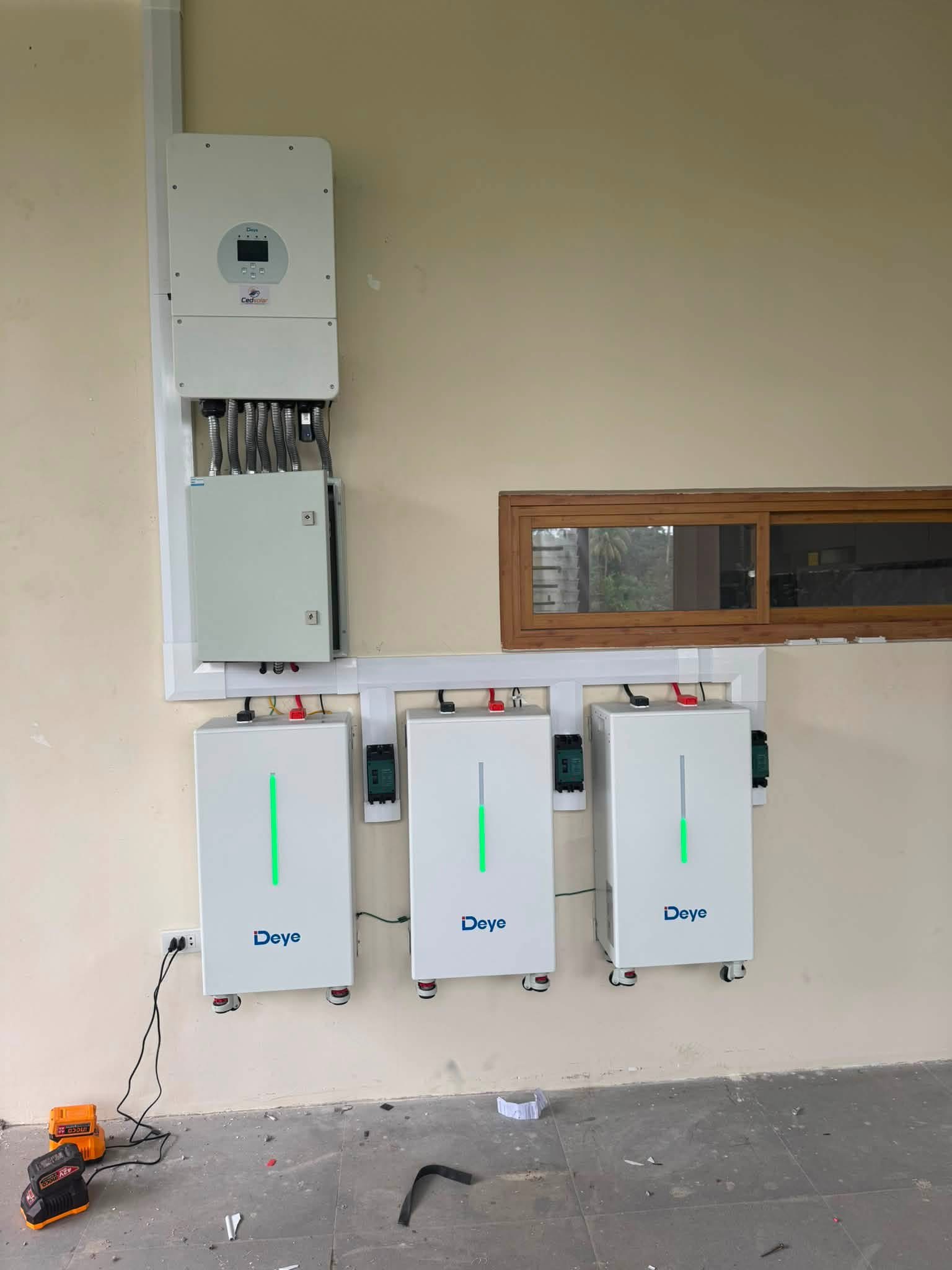
Grid-tied with battery backup — the best of both.
Best for: Homes that want lower bills AND backup power for outages.
Pros
- Backup power on outages
- Maximize solar self-use
- Grid as fallback
Tradeoffs
- Mid-tier upfront cost
At a glance
How Power Flows in Each System
System
Panels
Inverter
Battery
On-Grid
Yes
Yes (grid-tie)
No
Off-Grid
Yes
Yes (off-grid)
Yes (required)
Hybrid
Yes
Yes (hybrid)
Yes (optional backup)
Not sure which system fits?
Tell us your usage and we'll recommend the right configuration.